12 Practical Packing & Moving Tips
Follow these actionable tips to make your next move organised, safe and completely stress-free. Each one is simple to apply and makes a real difference on moving day.
1. Start Early and Make a Plan
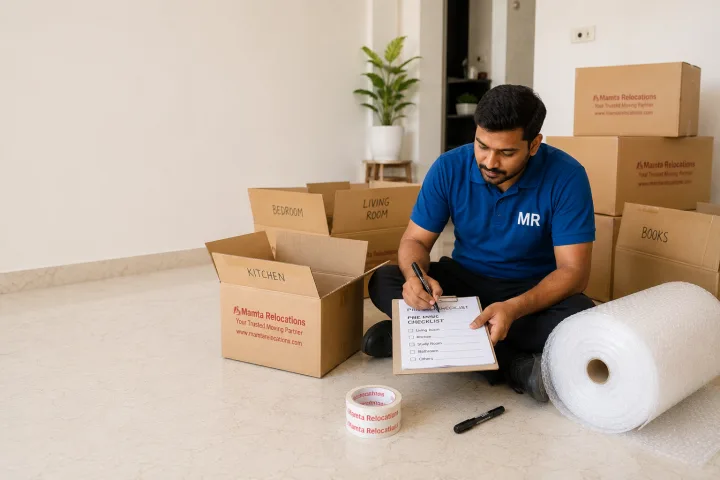
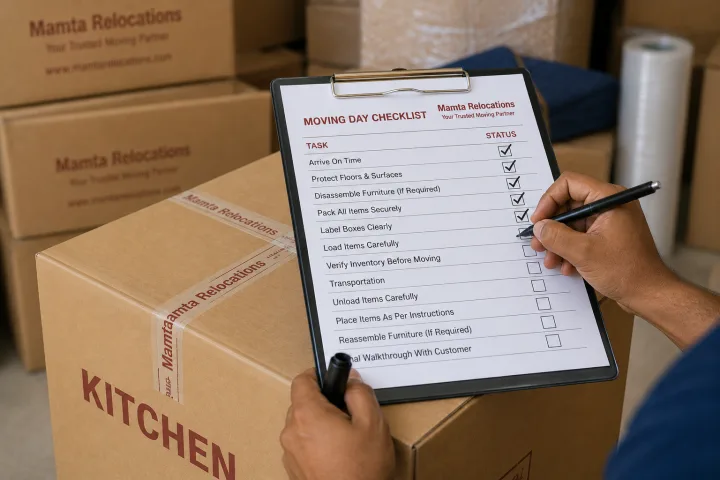
Begin preparing at least two to three weeks before your move date. Create a simple checklist with key tasks — sorting, packing, booking movers, transferring utilities and cleaning. Starting early means you can pack a little each day instead of rushing everything at the end, which is when most damage and stress happens.
2. Declutter Before You Pack
The less you move, the cheaper and easier your shift becomes. Go through every room and separate items into keep, donate, sell and discard piles. Old clothes, broken gadgets and unused furniture only add weight and cost. Decluttering first means you pack only what you truly need in your new home.
3. Gather Quality Packing Materials
Good packing starts with good materials. Arrange sturdy corrugated boxes in different sizes, bubble wrap, foam sheets, packing tape, stretch film, old newspapers and marker pens. Avoid weak or damp cartons — they collapse easily. If you book our packing and unpacking service, we bring all premium materials with us.
4. Pack Room by Room
Never pack randomly from different rooms into one box. Finish one room completely before moving to the next. This keeps similar items together, makes unpacking logical and helps you track exactly what has been packed. Start with rooms you use least, like the store room or guest bedroom.
5. Label Every Box Clearly
Write the room name and a short list of contents on the top and sides of each box. Add “Fragile” or “This Side Up” where needed. Clear labelling helps the moving team place boxes in the correct room and lets you find essentials quickly without opening everything.
6. Protect Fragile Items Properly
Wrap glassware, crockery, mirrors and electronics individually in bubble wrap or foam. Fill empty gaps in boxes with crushed paper so nothing shifts during transit. Pack plates vertically like records, not stacked flat, as they are far less likely to crack that way.
7. Pack Heavy Items in Small Boxes
Books, tools and other heavy goods should go into small boxes, while light items like pillows and clothes can fill large ones. This keeps every box liftable and prevents bottoms from tearing. A box that is too heavy is a box that gets dropped.
8. Prepare an Essentials Box
Pack one clearly marked box with everything you will need on the first day and night — toiletries, a change of clothes, medicines, phone chargers, basic tools, snacks and important documents. Keep this box with you so you are not searching through dozens of cartons after a tiring move.
9. Keep an Inventory List
Number your boxes and maintain a simple list of what each one contains. This inventory helps you confirm that everything has arrived at the new home and makes it easy to spot if anything is missing. It is especially useful for long-distance and interstate moves.
10. Handle Documents and Valuables Yourself
Jewellery, cash, property papers, certificates and other valuables should travel personally with you, not inside the truck. Keep them in a secure bag you carry yourself. This gives you peace of mind and avoids any worry during loading and transit.
11. Disassemble Large Furniture
Take apart beds, tables, wardrobes and shelves where possible. Keep screws, bolts and small fittings in labelled zip-lock bags taped to the matching furniture. Dismantled furniture is safer to move, easier to load and far less likely to get scratched or damaged.
12. Hire Professional Packers and Movers
For a truly safe and stress-free move, trust trained professionals. Experienced movers like Mamta Relocations bring the right materials, skilled manpower, proper equipment and transit insurance. We are Government Approved and IBA Approved, so your belongings are handled with complete accountability and care.